Uterine Myoma/Adenomyosis
Types of Uterine Myoma
Uterine myoma is classified based on the location, which causes different symptoms.
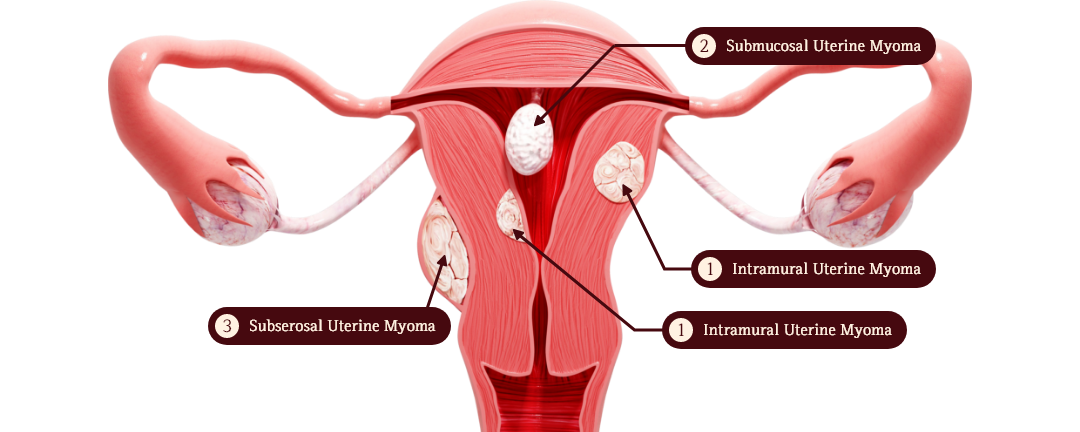
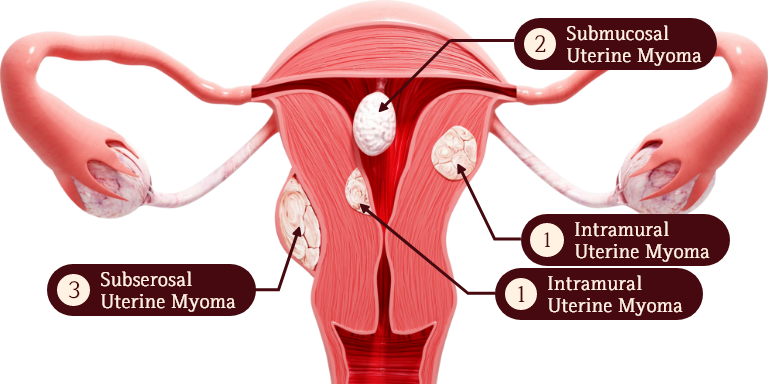

- The most frequent type of uterine myoma. It grows within the muscular wall of the uterus.
- It enlarges the uterus and interferes with contraction, causing heavy menstrual bleeding and menstrual cramps.

- Grows within the endometrium, involving the highest risk.
- Symptoms easily occur regardless of size. Interferes with implantation and causes subfertility.
- Involves risks of heavy menstrual bleeding, abnormal uterine bleeding, and complications.
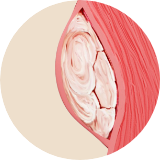
- Grows underneath the outer lining of the uterus and usually does not cause noticeable symptoms.
- Causes acute pain when it gets twisted.
Symptoms of Uterine Myoma
Uterine myoma is often asymptomatic, but a wide range of symptoms may appear depending on the location, size, and number.
If it interferes with your daily life or grows suddenly, prompt treatment may be necessary.
-
CASE 1
Heavy menstrual bleeding and abnormal uterine bleeding -
CASE 2
Menstrual pain, pelvic pain, or lower back pain -
CASE 3
Lower abdominal discomfort, sense of compression -
CASE 4
Anemia -
CASE 5
Indigestion, frequent urination, urinary incontinence, etc. -
CASE 6
Infertility, subfertility
About Adenomyosis
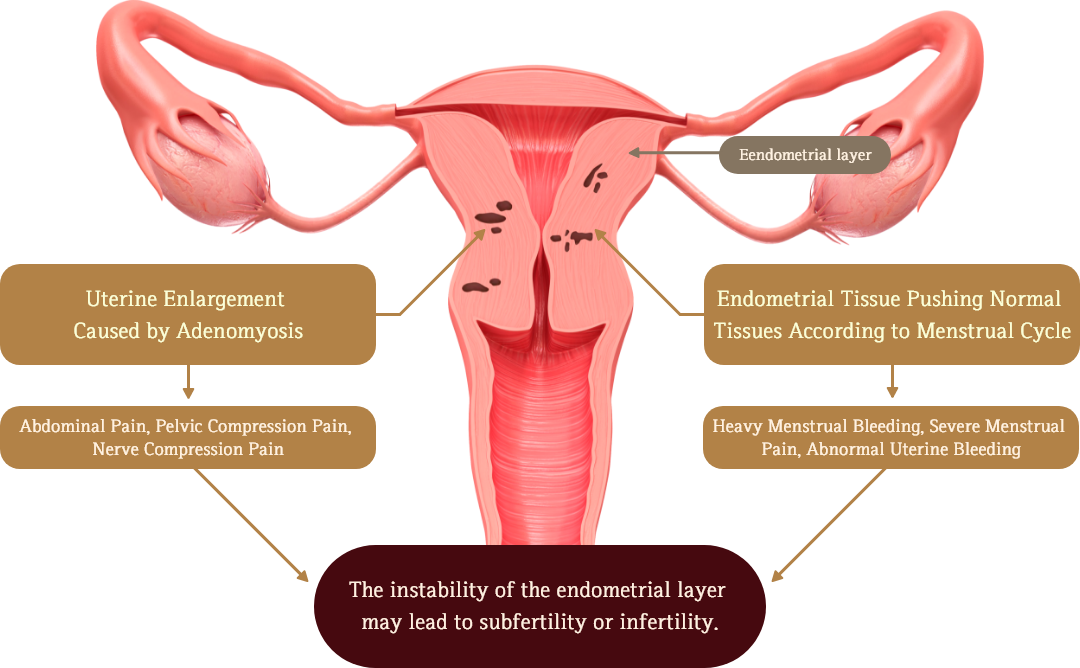
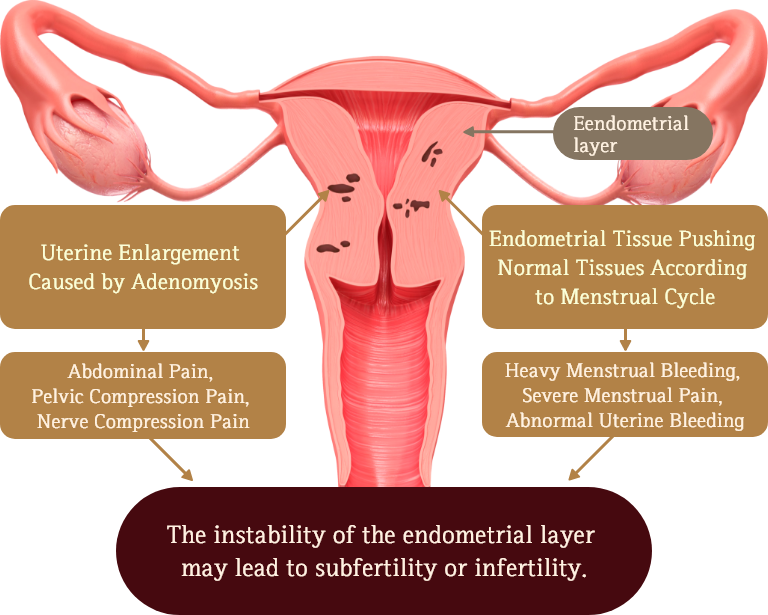
Adenomyosis happens when endometrial tissue invades the myometrium. This causes the abnormal thickening of uterine muscle.
                                As the endometrial tissue grows larger according to the menstrual cycle,
                                adenomyosis abnormally increases the uterine size during the menstrual cycle, leading to bleeding, pain, and compression.
Symptoms of Adenomyosis
-
CASE 1
Heavy menstrual bleeding, abnormal uterine bleeding -
CASE 2
Dysmenorrhea, pelvic pain, lower back pain -
CASE 3
Lower abdominal discomfort, sense of compression -
CASE 4
Anemia -
CASE 5
Indigestion, frequent urination, urinary incontinence, etc. -
CASE 6
Infertility, subfertility
Is Surgery The Only Answer for Uterine Myoma/Adenomyosis
MEDIWOMAN’s Alternative Treatment
Priority Principles
-
POINT1
Prioritize Safe,
Non-Surgical Treatment -
POINT2
Avoid Unnecessary
Uterus Removal -
POINT3
Use Alternative Treatment
with Proven Effects
Hysterectomy is an outdated treatment as there are modern, advanced techniques.
If safe, non-surgical treatment is available, this option should be prioritized to reduce the burden of patients.
                            MEDIWOMAN Clinic deeply considers women’s lives, avoids unnecessary hysterectomy,
                            and prioritizes alternative treatments that have proven their safety and efficacy while protecting the uterus.
The true treatment should fully relieve patients’ pain and improve their quality of life at the same time.
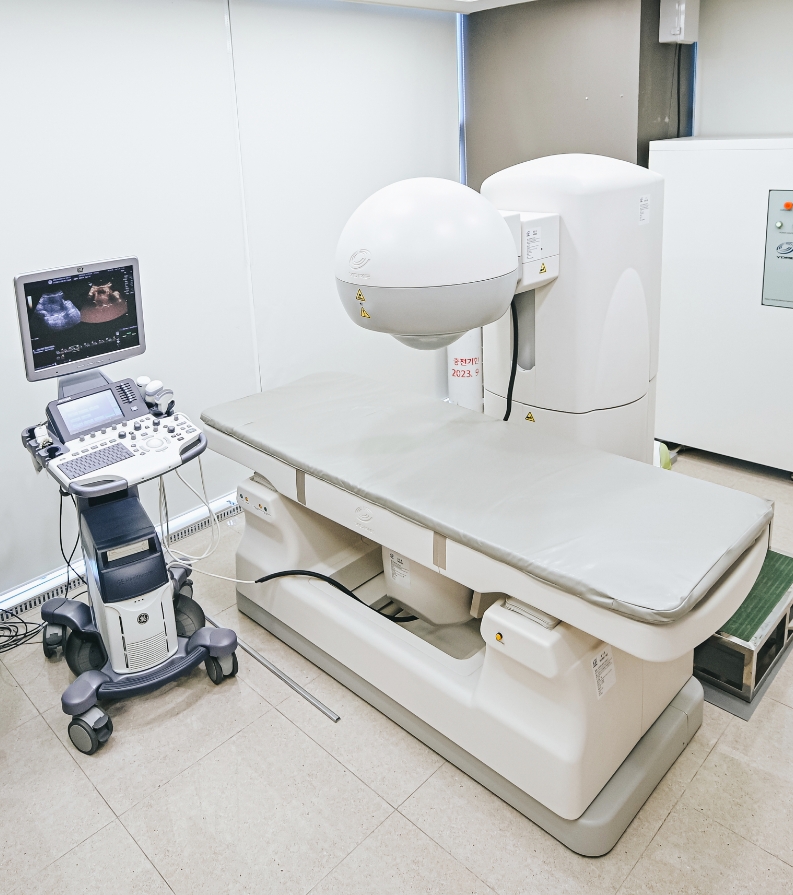
HIFU Treatment Process
HIFU induces necrosis from the center of the lesion and reduces its size. The treatment takes 3 to 12 months.
HIFU prevents recurrence by destroying the estrogen receptors and growth factors involved in lesion growth.
As the lesion size decreases with necrosis, related symptoms (heavy menstrual bleeding, menstrual pain, abnormal bleeding, etc.) are gradually relieved.
MEDIWOMAN Premium
HIFU Center

HIFU Devices
Risk of damaging
surrounding tissues 

HIFU Device
Minimum tissue damage
with enhanced safety 

HIFU Device Approved by U.S. FDA for Safety

Efficient Focused Energy for Fast and Precise Targeting

Real-Time Monitoring and Communication for Fast Feedback and Minimum Side Effects
MEDIWOMAN’s HIFU device efficiently focuses on the targeted area
to ensure shorter treatment time and faster recovery compared to other devices.
Second leading cause of
cancer death among women globally
Prevention comes first, early treatment comes second
                            Cervical cancer is a widespread cancer, with a considerable number of deaths not only in Korea but worldwide.
                            For women’s health, the national health screening program provides free cervical cancer screening to women aged 20 and over.
                            Regular cancer screening is recommended even after finishing vaccination.
                            It is crucial to get an appropriate treatment at an early stage.
MEDIWOMAN is certified for its excellent cervical cancer screening performance, and it is committed to health and safety of women.
About Cervical Cancer
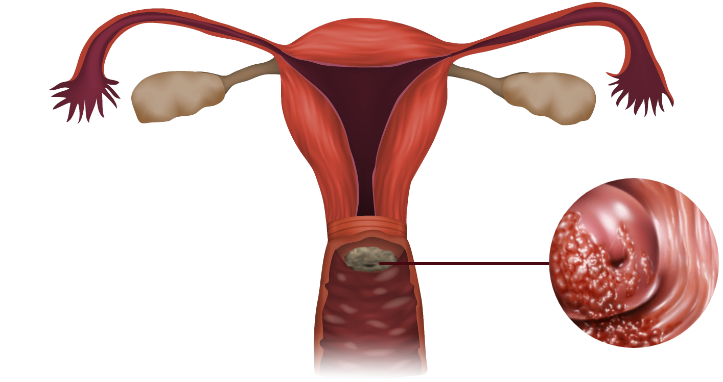
Cervical cancer develops in the cervix, which is the entrance to the uterus from the vagina.
Cervical cancer is caused by infection with human papillomavirus (HPV) generally transmitted through sexual contact.
Cervical cancer has a high incidence rate, ranking 4th among all cancers and 2nd among all women’s cancers in Korea.
Still, it is also known as the only cancer preventable through vaccination.
Symptoms of Cervical Cancer
-
CASE 1
Rapid weight loss -
CASE 2
Difficulty urinating -
CASE 3
Repeated discharge and foul odor -
CASE 4
Post-coital bleeding and irregular vaginal bleeding -
CASE 5
Leg extremity edema -
CASE 6
Pelvic pain and lower back pain
How to Prevent Cervical Cancer
Cervical cancer is the only cancer preventable through vaccination.
                                HPV is critical in women, as it is considered the primary cause of cervical cancer.
                                Therefore, HPV vaccination is recommended, and it is even more effective when both men and women are vaccinated.
                                Vaccination series significantly reduces the infection rate and may alleviate symptoms.
                                Thus, vaccination is recommended even for infected individuals and those older than the recommended age.
High-Risk HPV Vaccination Gardasil 9
Gardasil 4
Prevents 4 types of HPVGardasil 9
Prevents 9 types of HPVGardasil 4 and Additional 5 Types of High-Risk HPV
Gynecologic Diseases
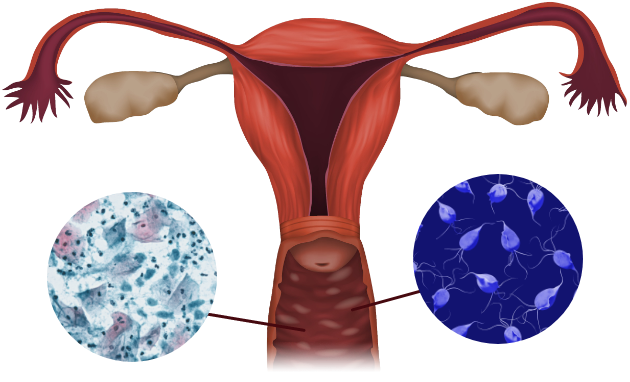
About Vaginitis
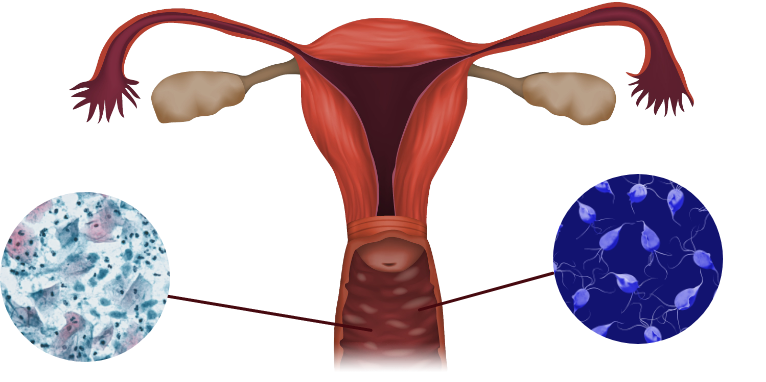
                            Vaginitis is one of the most common gynecologic conditions,
                            and it is caused by inflammation associated with the overgrowth of bacteria or fungi due to weakened immunity in the vaginal area.
                            If vaginitis is left untreated, it may lead to uterine diseases, such as pelvic inflammation or infertility, and chronic vaginitis may cause significant discomfort.
                            Therefore, vaginitis must be treated appropriately.
Symptoms of Vaginitis
-
CASE 1
Pain inside vagina, pain during intercourse -
CASE 2
Excessive discharge, foul odor -
CASE 3
Itchiness, pain -
CASE 4
Light bleeding or post-coital bleeding
About Cystitis
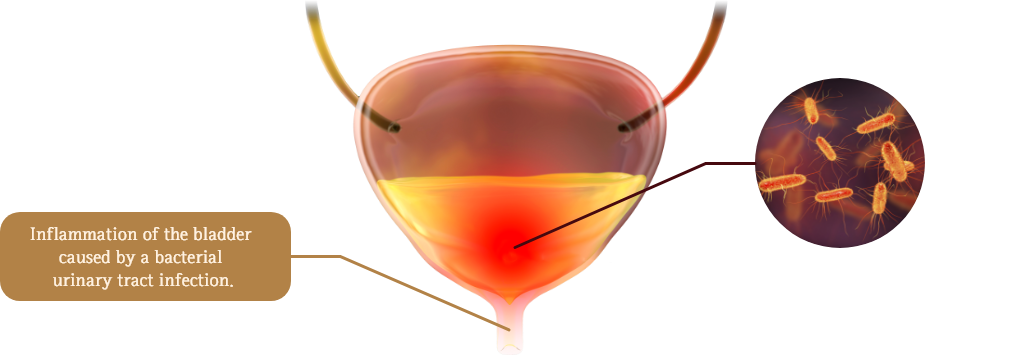
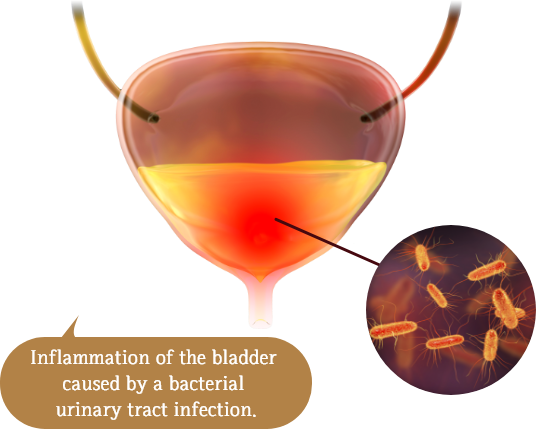
Cystitis is an inflammation of the bladder caused by a bacterial urinary tract infection.
                            Since women’s urethra is shorter than men’s and close to the vagina and anus, cystitis is more common in women.
                            If left untreated, cystitis may develop pyelonephritis, and it must be treated appropriately.
Symptoms of Cystitis
-
CASE 1
Frequent and urgent urination -
CASE 2
Painful urination -
CASE 3
Cloudy, foul-smelling urine -
CASE 4
Frequent urination / feeling of residual urine -
CASE 5
Lower abdominal pain, discomfort -
CASE 6
Hematuria
Diagnosis of Cystitis

Urinalysis
Inflammation, bleeding, and bacterial infection are checked through specialist consultation and urinalysis.
                                    Cystitis is chronic if it happens three times a year.
                                    Since infection can be caused by various reasons, such as sexual activity, weakened immunity, and pregnancy, active treatment is required.
Treatment of Cystitis
Specialist Treatment
                                    Taking antibiotics without a proper prescription may be temporarily effective.
                                    However, cystitis may become chronic due to resistance.
                                    Therefore, cystitis must be treated after a proper diagnosis.

Medication
                                    In case of mild symptoms, taking antibiotics alone can be effective.
                                    If necessary, additional medication may further relieve symptoms and pain.

About Urinary Incontinence
Urinary incontinence refers to an involuntary leakage of urine when it is not intended.
Urinary incontinence affects about 50% of women, and it needs early treatment as it damages self-esteem, causes depression, and significantly interferes with daily activities.
MEDIWOMAN Clinic provides a wide range of solutions, from medication to surgery and procedure, depending on the causes and symptoms.
Types of Urinary Incontinence
Stress Incontinence
Surgical Treatment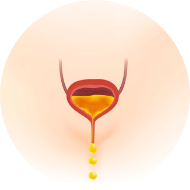
80 to 90% of Women’s Urinary Incontinence
- Urine leaks when abdominal pressure suddenly increases during coughing, sneezing, rope jumping, or other daily activities.
- Happens when pelvic floor muscles are weakened due to childbirth and aging and cannot support bladder/urethra when abdominal pressure increases
Urge Incontinence
Medication or Vaginal laser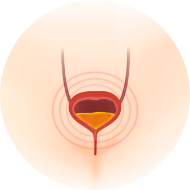
20 to 30% of Women’s Urinary Incontinence
- Uncontrollable, intense urges to urinate.
- Symptoms of overactive bladder mainly involving urgency, frequent urination, and nocturia
Mixed Incontinence
Surgery+Medication or Vaginal Laser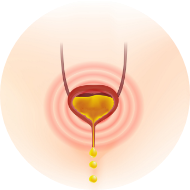
About 70% of Incontinence Patients
- Combination of stress incontinence and urge incontinence
- About 70% of stress incontinence patients experience symptoms of urge incontinence
Mini-Sling Procedure
Mini-sling procedure places an artificial tape directly beneath the urethra to support the weakened urethral sphincter.
                                Unlike conventional incontinence surgeries, mini-sling procedure is minimally invasive.
                                It involves only anterior vaginal wall incision without passing the surgical thread to abdomen.
                                So, it involves a very low risk of bleeding, complications, and scarring.
As the procedure takes only 15 minutes, with a low risk of recurrence, mini-sling procedure is the most widely performed option today.
 Procedure Time
15 - 20 min
Procedure Time
15 - 20 min
 Anesthesia
Sedation
Anesthesia
Sedation
 Suture Removal
Unnecessary
Suture Removal
Unnecessary
 Scarring/
Complications None
 Daily Activity
Immediately
Daily Activity
Immediately
Differences between TOT surgery and Mini‑Sling surgery
+ Femoral
Dr. Baek Dong-hoon, Director of MEDIWOMAN Clinic
Acquired Patent on Urinary Incontinence Treatment Device
Applied Patent on Medical Tape Made of Special Material for TOT Procedure
The invention with an improved tape structure is expected to minimize side effects, including skin ulceration, necrosis, and foreign body sensation.
Patent No : 10-2737892
Patent Description : Device for Urinary Incontinence Treatment
※ The above invention
is registered in the Patent Registry
in accordance with the
[Patent Act].